Skip to the main content
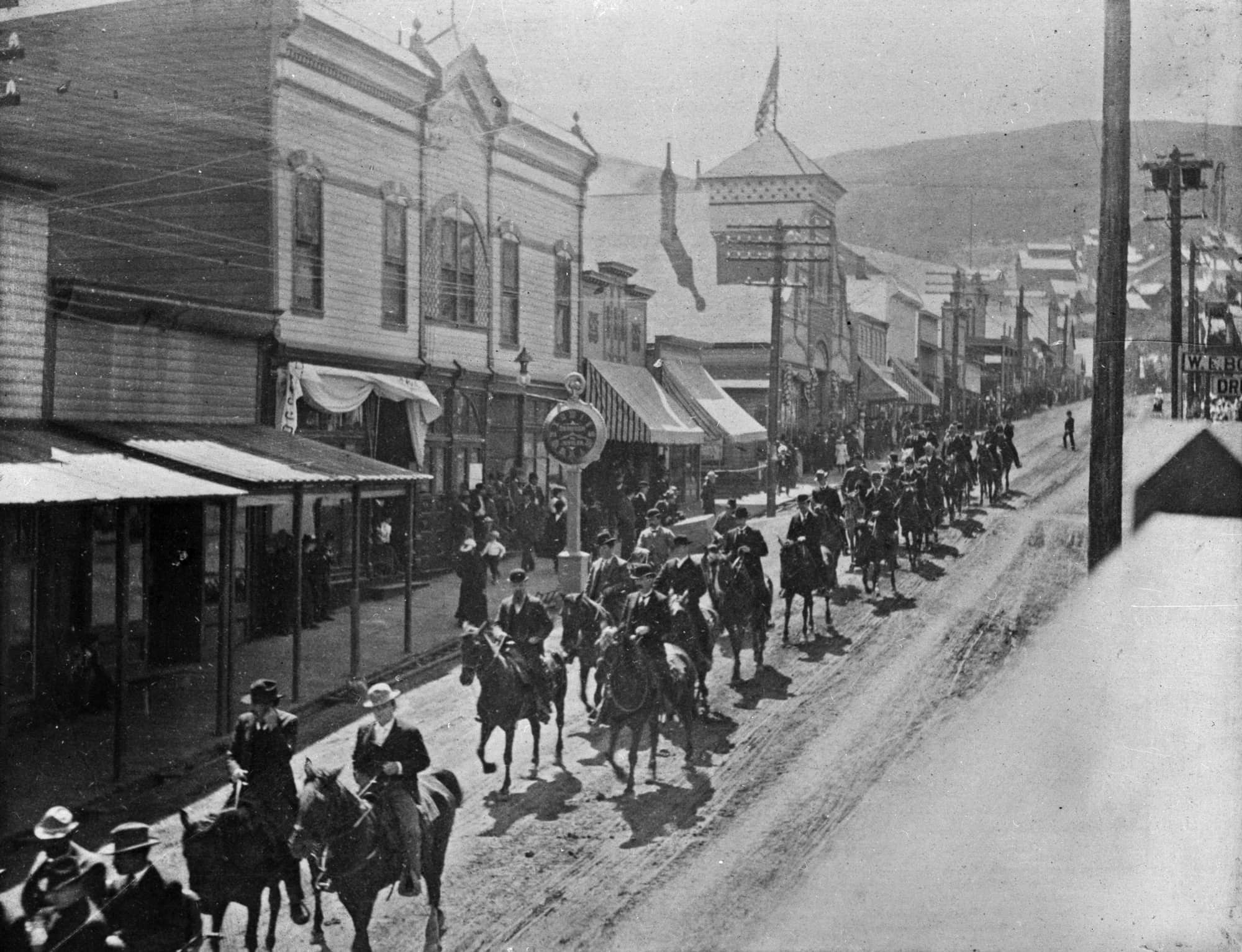
A black-and-white photograph of riders on horseback parading up a dirt street between wooden storefronts with awnings, as a crowd watches from the boardwalk

Our Story

The boom didn't last. The town did.

A silver camp, a fire, a near ghost town, and a second boom on skis. This is how Historic Main Street got here.

Introduction

Long before anyone came looking for silver, the mountains above Main Street were summer country. For thousands of years, people moved into these ranges in the warm months to hunt and camp, and left before the snow. This is the ancestral land of the Ute people. Eastern Shoshone, Northwest Band of Shoshone, Goshute, and Paiute peoples lived in and passed through it too.

Then came the miners. Within a few decades, a grazing basin settlers called Parley's Park had become a bonanza camp, and Main Street was where its money changed hands.

“The best remaining metal mining town business district in the state of Utah.”
1978 National Register of Historic Places nomination

In 1898, the street burned. The town rebuilt it. When the mines gave out, the town held on long enough for the skiers to arrive. Almost everything you see on Main Street today went up after that fire, which is why it still looks like a mining town. It was one.

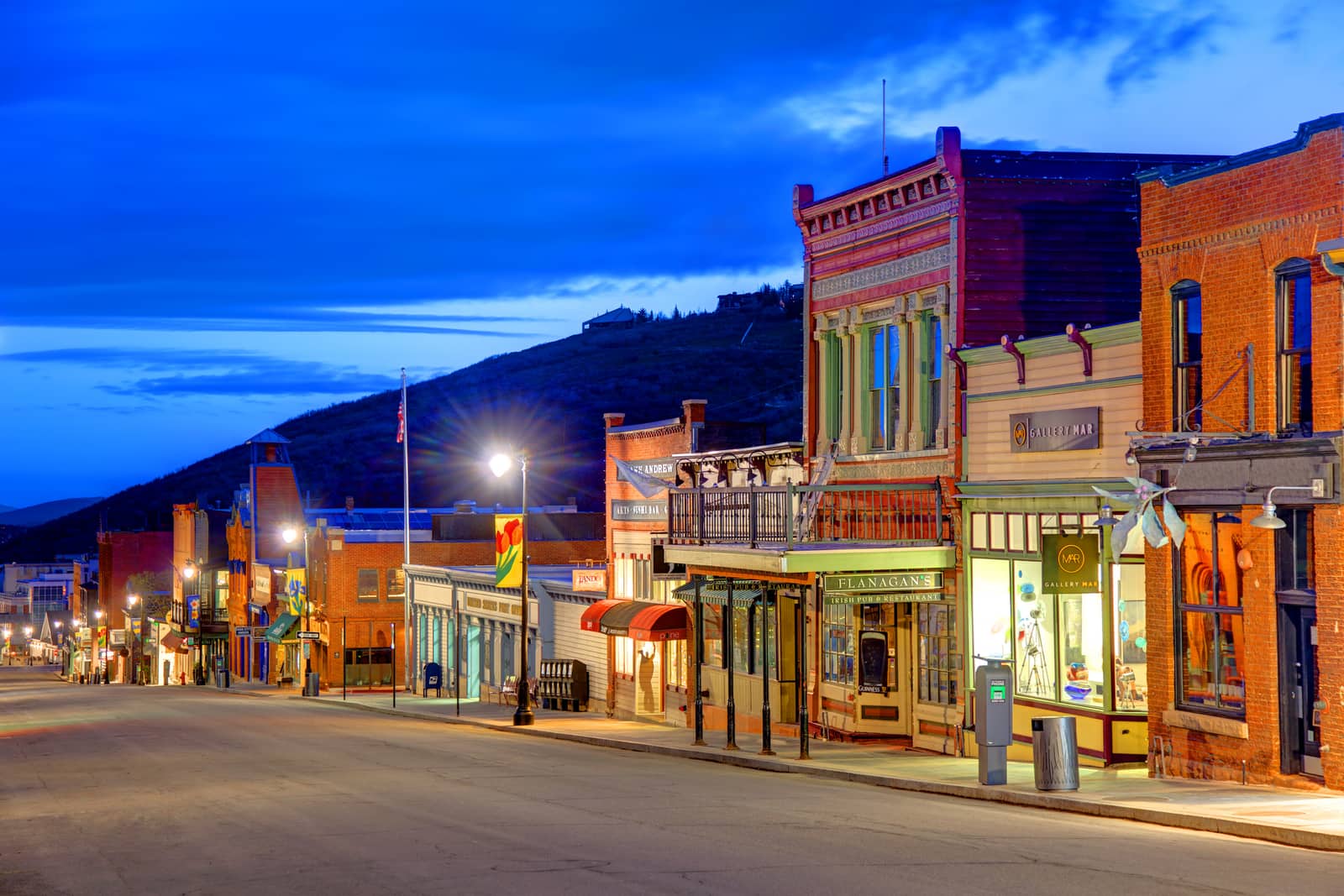
Main Street at dusk, with lit brick storefronts and street lamps along an empty road and a dark hillside behind

A Timeline

The Making of Main Street

Seven chapters, from summer hunting grounds to silver camp, ghost town, and ski town.

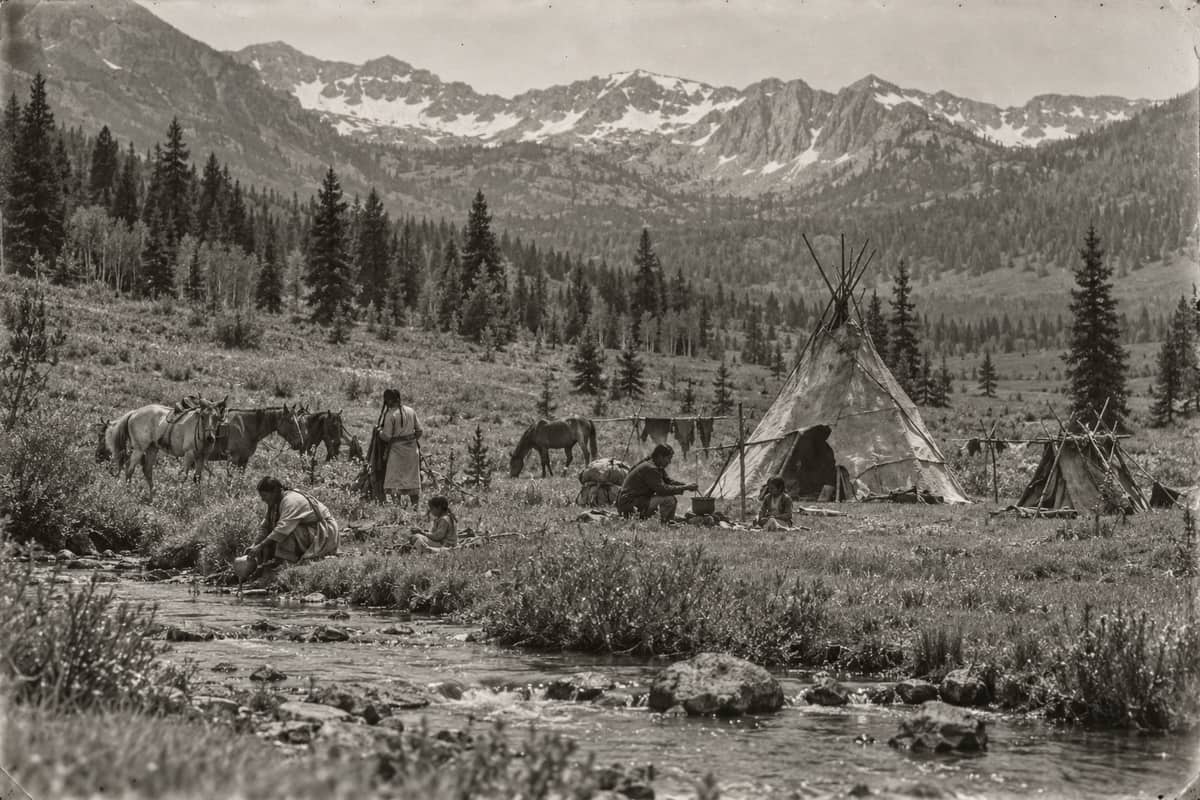
A sepia-toned scene of a camp in a mountain meadow: tipis and drying racks, horses grazing, and people kneeling and sitting beside a stream, with pine forest and snow-capped peaks behindBefore 1868

Before the Mines

Summer Country

People camped in this area seasonally for around 5,000 years, using it as spring and summer hunting ground. Shoshonean peoples settled northeastern Utah about 700 years ago. Ute families came into the Wasatch and Uinta ranges each June and stayed until late September, a pattern that held into the 1800s. The Donner Party crossed nearby in 1846 and Mormon pioneers followed in 1847. By 1848, settlers were grazing cattle in a basin they called Parley's Park City. By 1868, U.S. treaties had forced Indigenous people off the land and onto reservations.
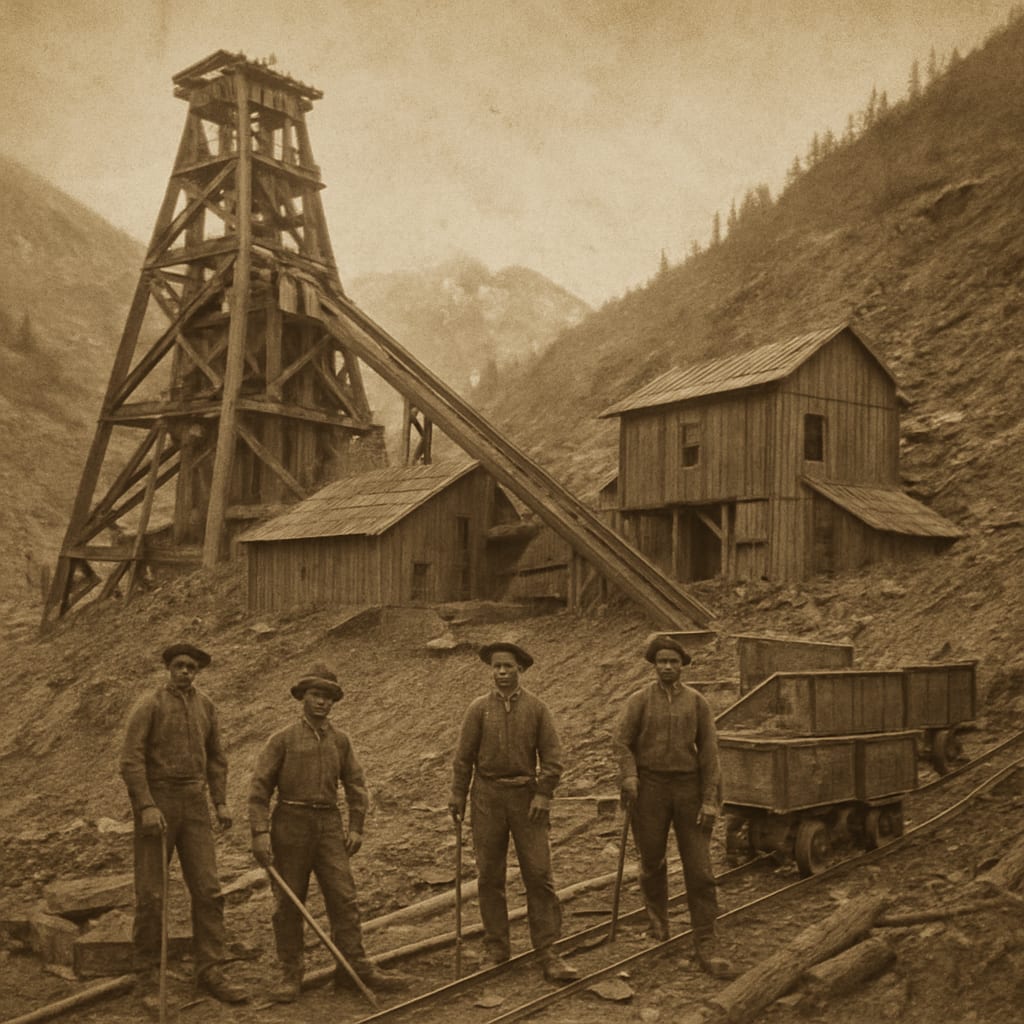
Four men holding tools beside ore carts on a narrow track, with a wooden headframe and sheds on the hillside behind1860s–1897

The Silver Era

A Bonanza Camp

Silver, gold, and lead turned up in the 1860s, and the Flagstaff mine opened. In 1872, Herman Buden established the Ontario mine. It became the camp's first major producer after George Hearst bought it through his partner, R.C. Chambers. Park City incorporated in 1884 and had about 5,000 residents by 1889. By 1892 the Silver King was one of the most famous mines in the world. Susanna Bransford, "Utah's Silver Queen," made more than $1,000 a day in dividends from her stake in the Mayflower mine.

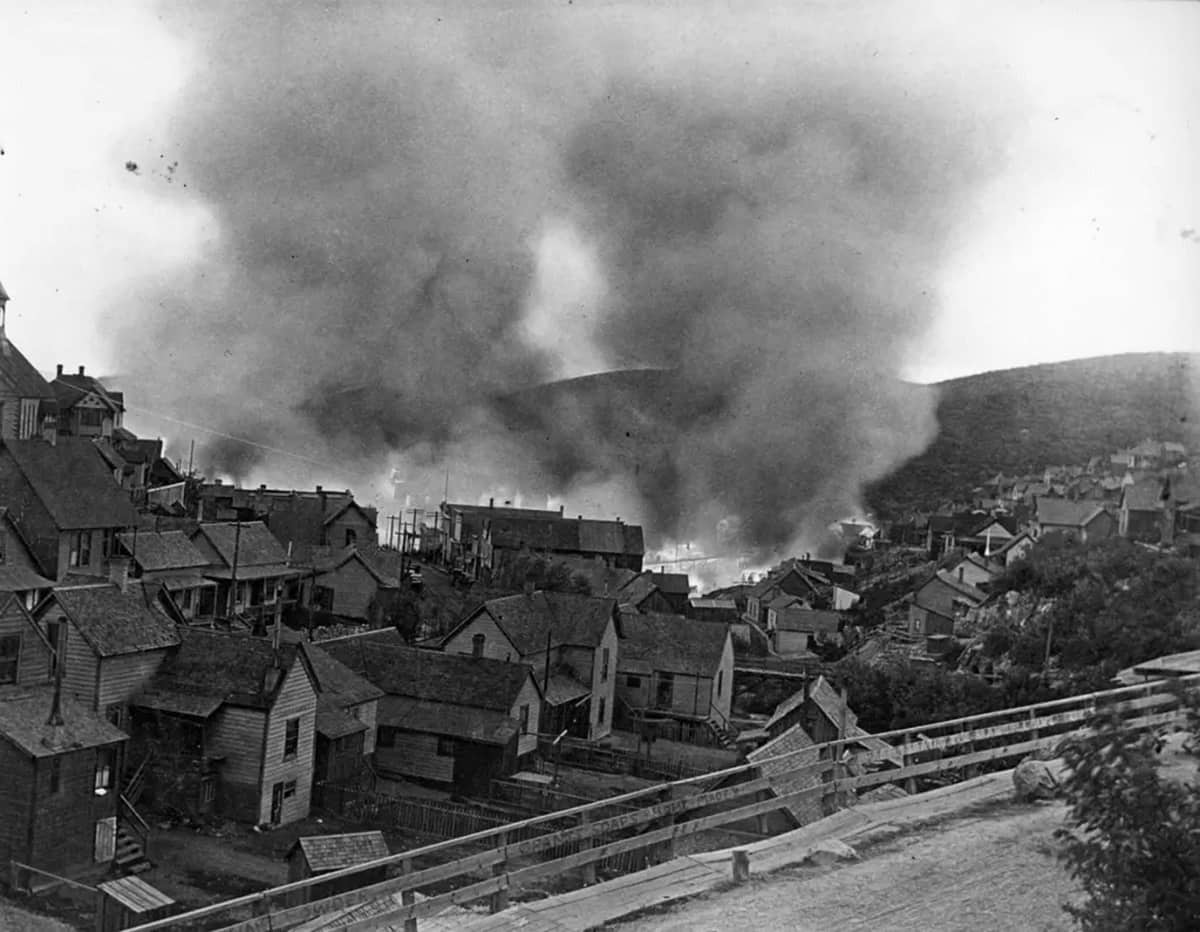
A black-and-white photograph of thick smoke rising over a town of wooden houses on a hillside, seen from above a wooden fenceJune 19, 1898

The Great Fire

The Day Main Street Burned

On June 19, 1898, fire destroyed most of Main Street. The town rebuilt. The Victorian commercial buildings that line the street today went up in the years after the fire. Nearly every storefront you walk past is a product of that rebuild.

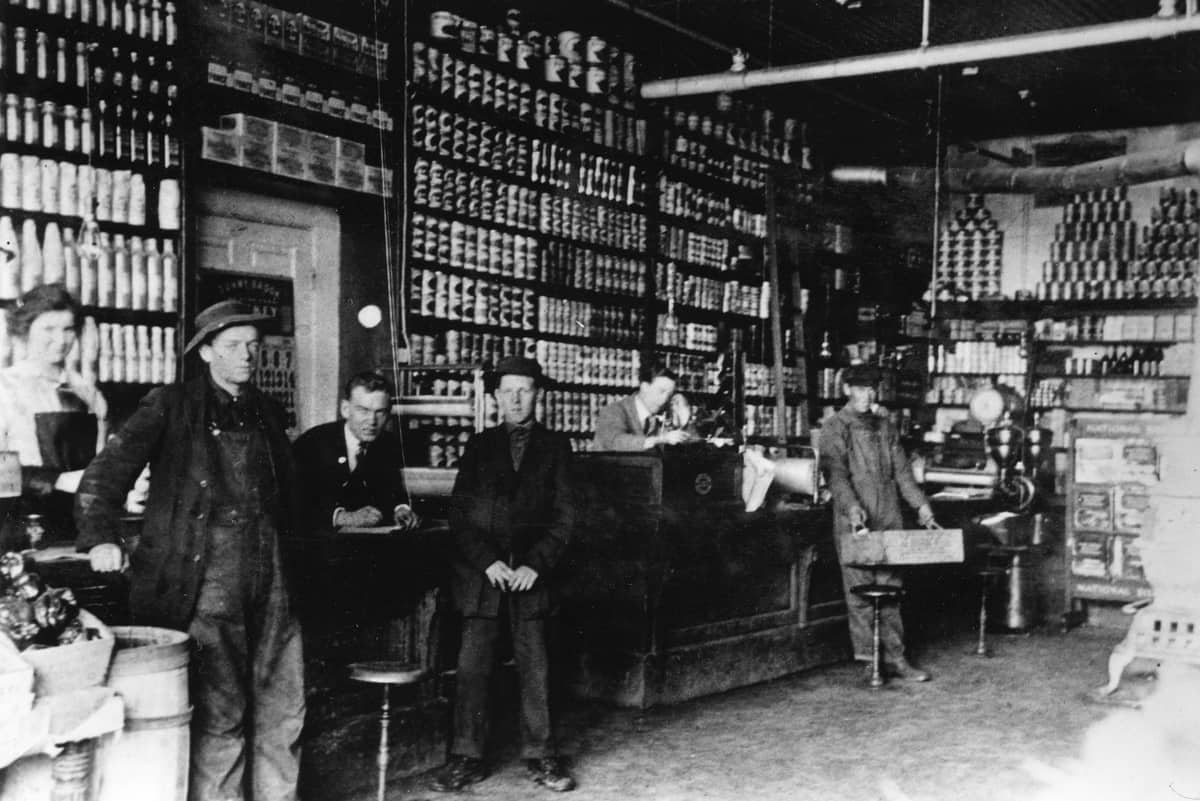
A black-and-white photograph of men standing in a general store, with shelves of canned goods behind a wooden counter1914–1950s

The Quiet Years

Hanging On

Falling metal prices through World War I, the Depression, and World War II ended the boom. By the 1950s, Park City was close to a ghost town. There were early signs of what came next: in 1928, ski jumps went up on Ecker Hill near Kimball Junction. About 20 historic mining structures still stand on Park City Mountain today.

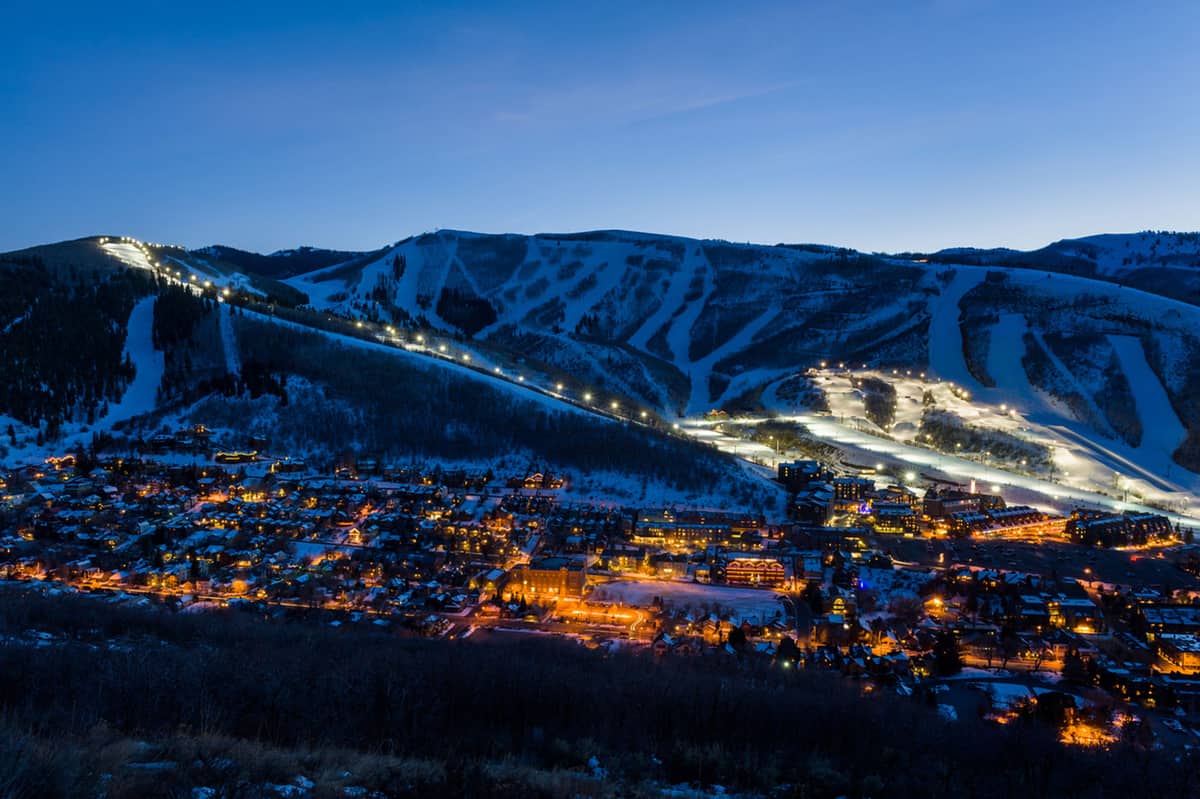
Lit ski runs on snowy mountains at dusk, above the lights of the town below1963–1985

The Ski Era

The Mountain Gets a Second Life

In 1963, Treasure Mountains opened on 10,000 acres of old mining land with a gondola, a chairlift, and two J-bars. Sports Illustrated named its Payday run one of the best in the country. Skiers rode the Skier Subway, a 45-minute trip through the Spiro mine tunnel up to the Thaynes area. In 1979, Main Street was listed on the National Register of Historic Places. Deer Valley opened in 1981 with five lifts and 35 runs. In 1985, the Town Lift connected Main Street to the mountain.

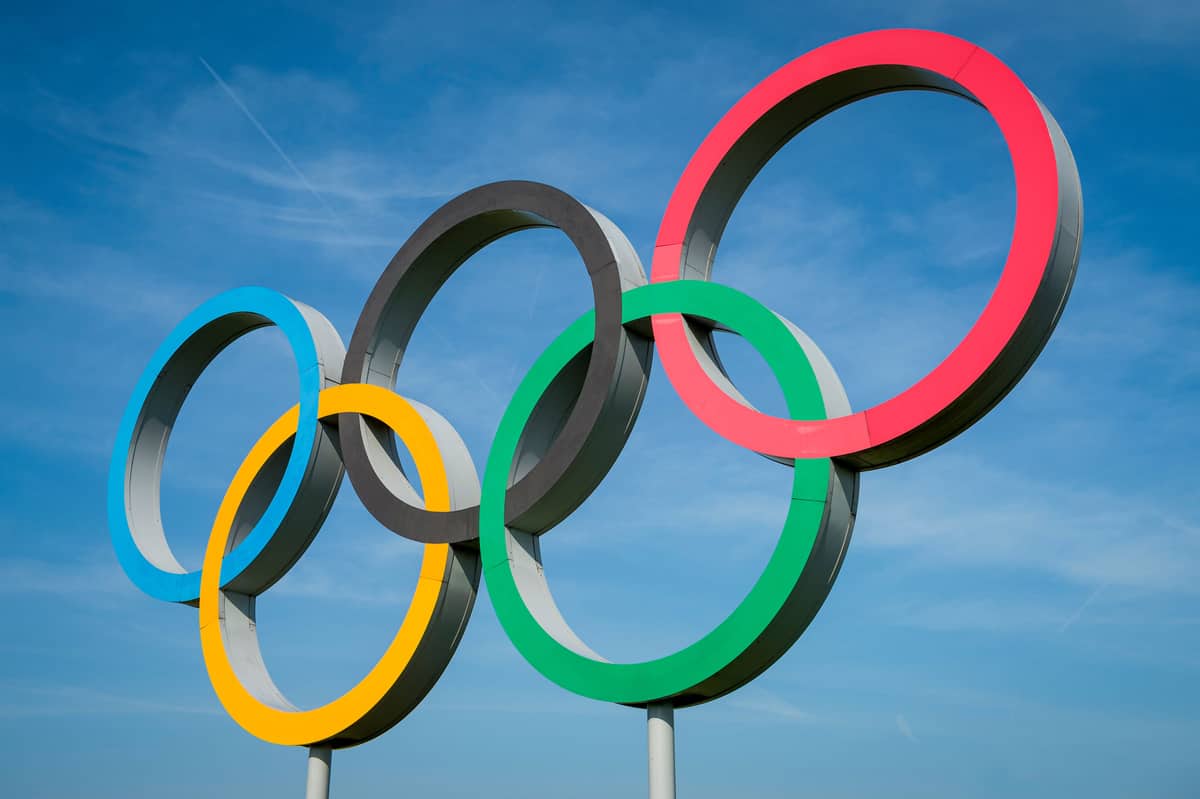
The Olympic rings against a blue sky1981–2002

On the World Stage

Everyone Finds Out

Robert Redford and Sterling Van Wagenen started the U.S. Film and Video Festival in Salt Lake City in 1978. It moved to Park City in 1981 and was renamed the Sundance Film Festival in 1984. Then came the 2002 Winter Olympics. More than 40% of events were held in Park City, including a third of all medal events, at Deer Valley, Park City Mountain, and Utah Olympic Park. All three venues are still in use.

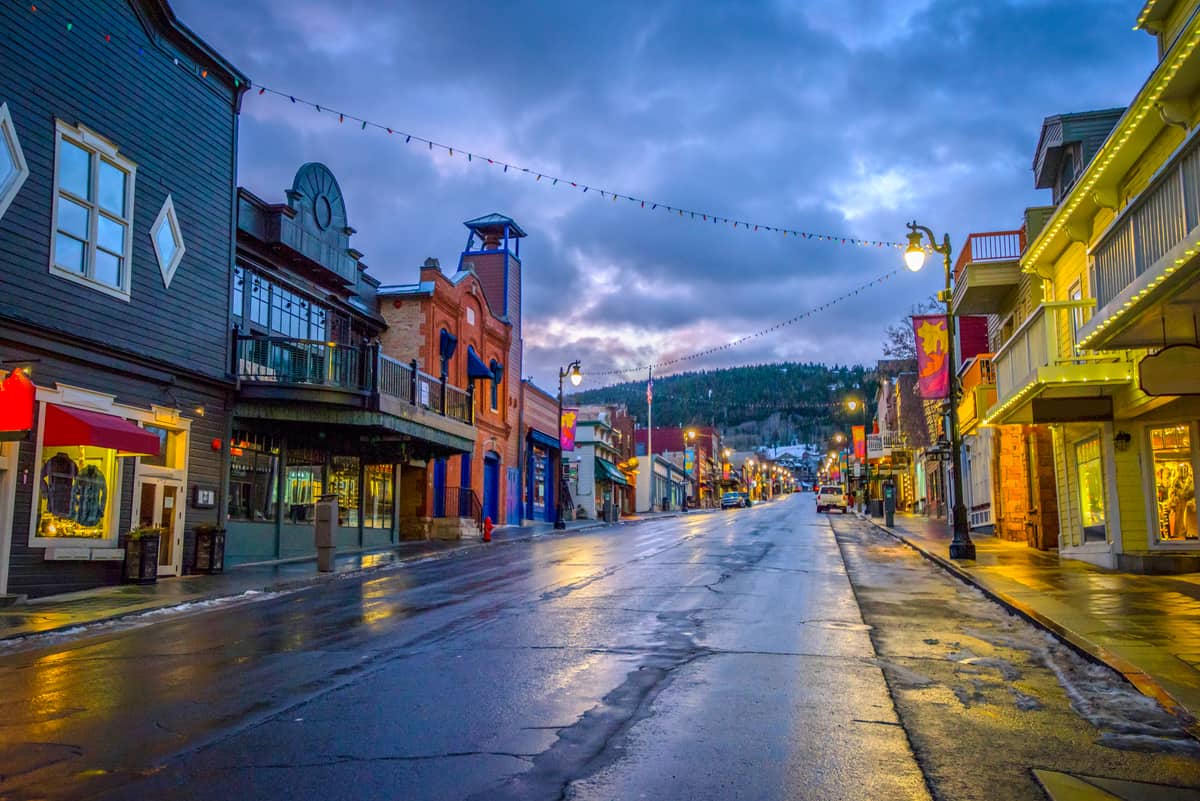
Main Street on a wet evening, with lit storefronts, string lights across the road and a wooded hill at the end of the streetToday

Main Street Now

The Next Chapter

In 2026, the Egyptian Theatre turned 100. The same year, Sundance held its last festival in Park City after more than four decades, before moving to Boulder, Colorado. The Olympics return in 2034, with freestyle, snowboard, ski jumping, Nordic combined, and sliding events in Park City. Main Street is still the heart of town, all year.

See It for Yourself

History You Can Still See

The mining era isn't only in the museum. Some of it is still standing on the mountain and on the street.

Main Street

On Main Street since 1926 and 100 years old in 2026. Still putting on plays, musicals, and concerts.

Silver King Mine

0.5 mi out-and-back · minimal gain

Ride the Town Lift from the bottom of Main Street to the historic mine buildings at the top.

Seasonal, check before you go

Empire Canyon

1 mi round trip · ~300 ft gain

A short hike past the Daly West Headframe, the Quincy Mine, and the Little Belle Ore Bin.

Spiro Tunnel

0.5 mi · minimal gain

The mine tunnel behind the Skier Subway, plus a coal hopper, boiler and foundry buildings, and the Ivers Mine.

The District Today

Still a Working Street

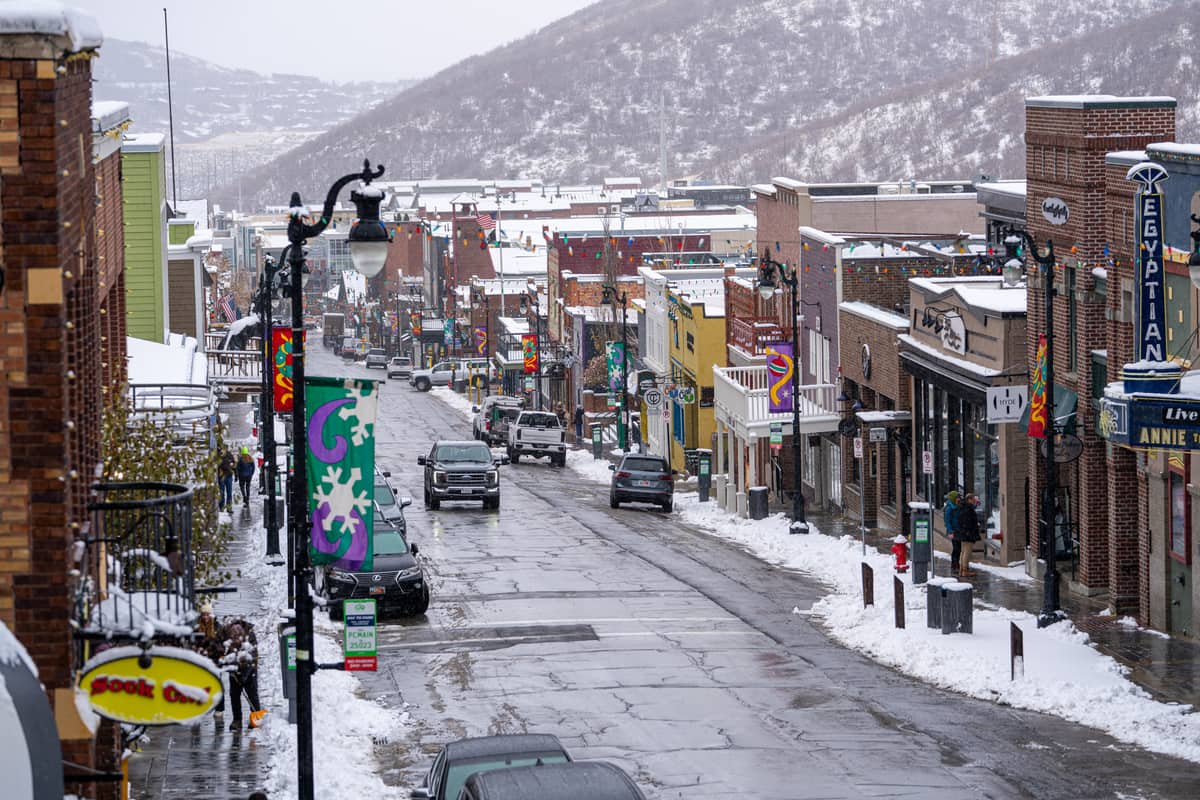
Looking down Main Street after a snowfall, past brick storefronts, lamp posts and banners, with snowy hills beyond

The Street

Top to Bottom

Victorian storefronts run from the Town Lift at the bottom of Main Street to the top of the hill. Park once, or skip the car entirely. The free trolley runs the length of the street, and the town's buses are fare-free all year.

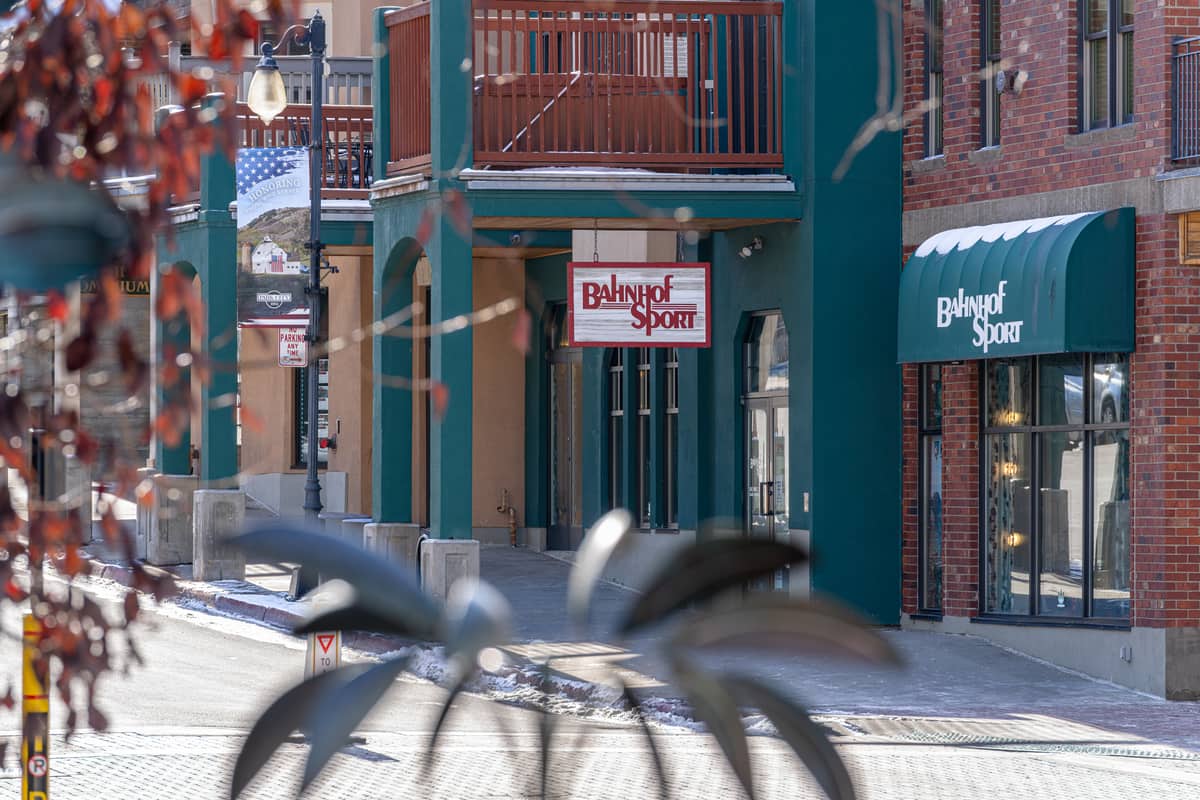
Storefronts with green awnings and a red shop sign on Main Street, seen past out-of-focus leaves

The Businesses

Open for Business

Galleries, outfitters, western wear and leather, hats, jewelry, and a dining scene that runs from fine dining and cocktail bars to brewpubs, distilleries, and dives. Local shops and familiar names share the same historic storefronts.

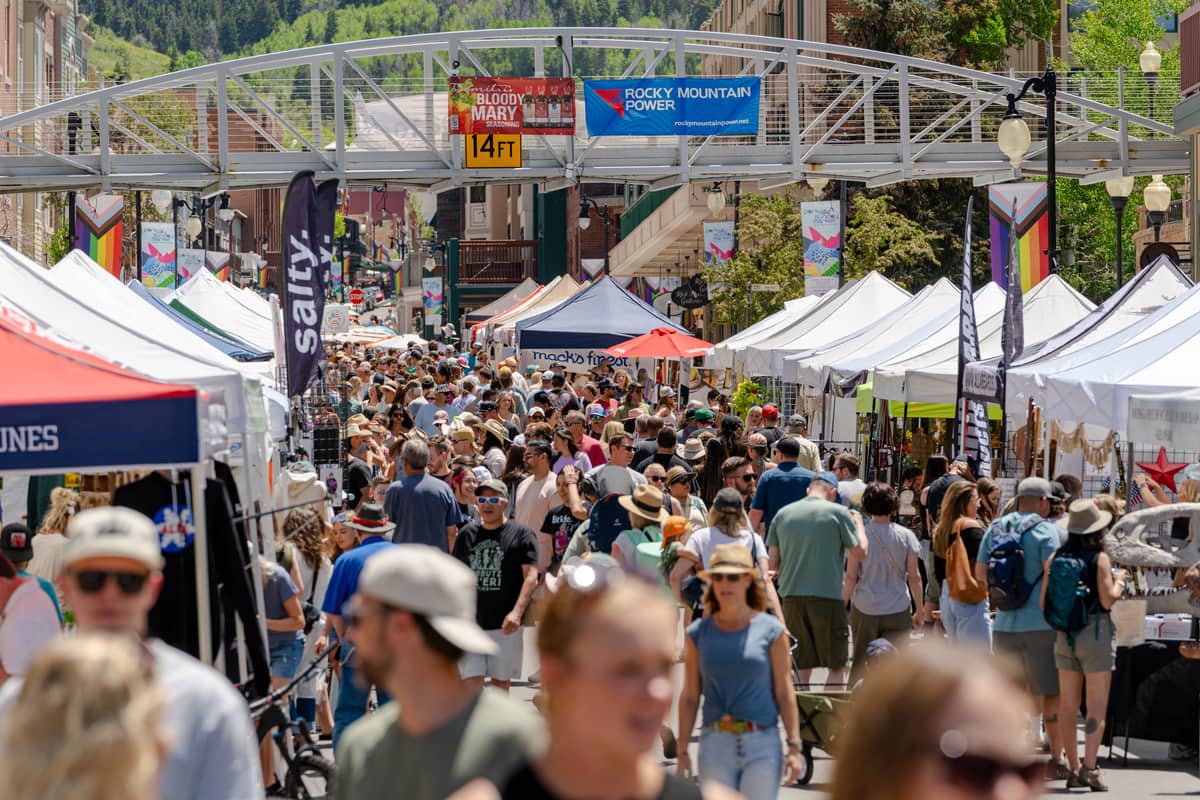
A crowded street festival on Main Street, with white vendor tents on both sides and a footbridge overhead

The Community

Locals Included

Main Street is where people who live here end up, as much as people visiting. It stays busy in every season, and many restaurants and shops stay open through the quiet weeks too.

The Alliance

The People Behind Main Street

The Historic Park City Alliance is a 501(c)(6) nonprofit representing the businesses on Main Street and throughout Historic Park City. Its mission is to promote, enhance, and encourage an atmosphere that benefits the businesses of Historic Park City and the community. A board of directors leads the work and meets the third Tuesday of every month. Businesses in the Historic District are welcome to attend.

  • A full member listing

    A richer directory profile than a standard listing, with monthly website analytics.

  • Promotion

    Your news, events, and offers in the monthly member newsletter and on HPCA's social channels.

  • Press

    Inclusion in HPCA's press releases and media outreach, with opportunities on local and state outlets.

  • A seat at the table

    Committees, networking, and a collective voice for the district.